The Friction of Daily Spending and the Quiet Weight of Receipts
There’s a specific kind of fatigue that comes from watching your own habits drift. It’s less about the exact numbers and more about the quiet accumulation of small, unthinking choices.
You tell yourself you’ll track it better next month. Next month usually looks exactly like the last one.
The Psychology of the Small Slide
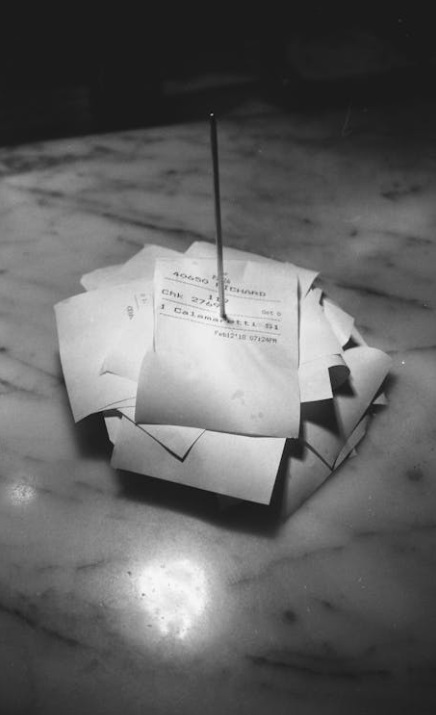
I was looking at a crumpled gas station receipt yesterday, trying to reverse-engineer why I spent six dollars on a chalky protein bar and a lukewarm coffee I didn’t finish.
It’s a tiny thing. Almost nothing. Yet when it’s sitting on the counter beside the junk mail, it feels like a slow leak in a tire you didn’t know you were driving on.
The math is simple enough to ignore until it isn’t. Most of our financial lives happen in that invisible gap between the thumb and the screen. You tap a button. A green checkmark pops up. The numbers slide downward, quiet as snow. You aren’t spending money so much as you’re playing a game where the high score is just your ability to survive until Tuesday.
The Invisible Subscriptions and Ghost Costs
Modern life runs on these quiet, recurring drains that we just absorb without flinching. I finally dug through a statement last month and found a fifteen-dollar gym membership I hadn’t used since the snow melted in 2024. It’s the exact price of a decent lunch, which is how they keep it invisible, but stretched across a year it becomes a new set of tires or a quiet weekend away. We trade dollars for frictionless convenience every single day, paying extra so someone else will bag the groceries or skip the ads or deliver the package before we’ve even finished thinking about it. The lack of physical resistance is the trap. You don’t feel the weight until you’re suddenly holding a stack of empty receipts, wondering where the gravity went.
The Reality of the Buffer
People talk about emergency funds like they’re these pristine, untouched vaults of cash, but the truth is usually much messier. It’s just a fluctuating pile of “oops” money that gets tapped whenever a pipe cracks under the sink or a windshield gets pebbled on the interstate. I watched three hundred dollars vanish last November for a single plumbing repair, and it stung like a papercut. It felt like losing save data in a game you’ve been grinding for months. But having that buffer, even when it’s thin and scuffed at the edges, is the exact difference between a stressful afternoon and a month of surviving on discount pasta.
You stop checking the app with dread. The background hum of money quietly lowers its volume just enough to let you sleep through the night.
Finding a Rhythm That Isn't Suffocating
I stopped trying to track every penny and instead started keeping a piece of paper on the fridge. It’s covered in coffee rings and crossed-out dates.
Seeing car insurance scrawled in faded red ink next to a chipped ceramic magnet makes it harder to justify the late-night delivery fees. The physical friction actually works. You glance at the fridge while hunting for milk, and the reminder just sits there, unbothered. It’s not about building a spreadsheet that judges you for buying a latte. It’s about giving the brain a visual anchor so the drift doesn’t pull you entirely off course.
I still buy the overpriced coffee sometimes. The math still slips on Friday nights. That’s completely fine.
Money is just a clumsy tool for moving through the world, and it breaks easily if you squeeze it too hard. The goal isn’t to become a calculator. It’s just knowing where the floor is before you take a step off the edge.
The crumpled receipt is still sitting in the drawer by the stove. I haven’t thrown it out. I just fold it smaller, tuck it behind a stack of takeout menus, and wait for the next one to show up. The coffee machine clicks off downstairs. I’ll probably walk over and pour a fresh cup anyway.