Learning to Spend Without the Late-Night Regret
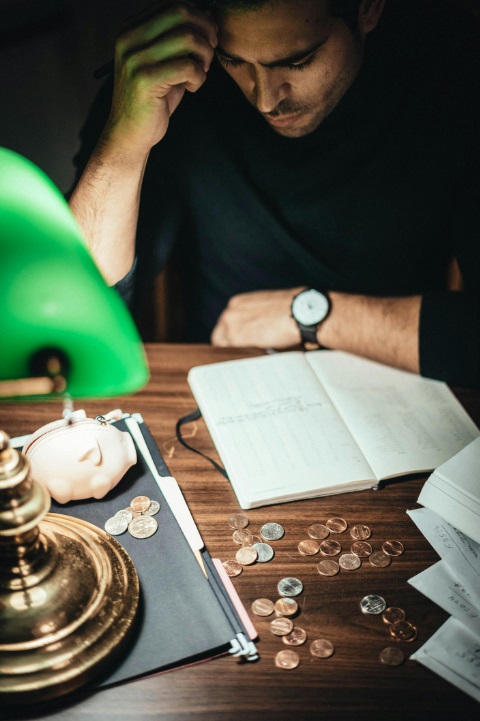
I was standing in the middle of the grocery aisle yesterday, staring at a jar of almond butter that cost twelve dollars. Twelve dollars. I remember when that was enough for a whole lunch, but now it’s just something you spread on toast. I put it back, then picked it up again, then finally walked away. Being smart with money usually feels like that-a series of small, slightly annoying negotiations with yourself while you're just trying to get through the week.
It’s not really about those massive financial manifestos you see online. Nobody actually wants to live on beans and rice for six months just to save for a vacation they’ll be too tired to enjoy. For me, it’s more about the cluttered kitchen drawer full of gadgets I bought at 11:00 PM because an ad told me they’d change my life. They didn't. Now they just take up space next to the whisk I actually use.
The Trap of the "Good Deal"
We’ve all fallen for the math. Buy two, get one free on industrial window cleaner when you live in a one-bedroom with four windows. The price per ounce is unbeatable. The logic, however, is completely hollow.
I leave things in the cart. Forty-eight hours. By then the olive-green throw pillow looks ridiculous. The excitement just evaporates like morning condensation on a cold glass.
My neighbor pays cash. It looks exhausting, honestly, watching someone count out twenties while a line forms behind them. But plastic is just a beep. Paper has weight. You actually feel it leave your hand.
The Hidden Costs of Being Cheap
There’s a definite line between frugality and being cheap, though it blurs when you’re tired at the register. I bought boots three years ago that felt like a robbery, and I wore them with guilt until they outlasted a harsh winter and a lease agreement. Compare that to clearance sneakers that dissolved last July. The soles peeled off in one step, leaving me limping to the bus while the rubber curled like a dead leaf. It’s the same with groceries. I used to chase cheap apples until my drawer became a science experiment. Paying extra for fruit I’ll actually eat stops the cycle. Fewer desperate takeout orders follow when the fridge doesn’t look like a museum of failed intentions.
Small Shifts and Reality Checks
I started auditing the subscriptions lately, and it felt like finding a slow leak behind the drywall. Six dollars here, twelve there. I was still paying for a streaming platform I hadn’t opened since last winter. Cutting them didn’t make me wealthy, but it did stop the quiet bleeding. It’s just about paying attention to the friction between what sounds good in the checkout line and what you’ll actually remember on a rainy Tuesday.
I let myself buy the overpriced coffee sometimes. Tracking every single cent turns life into a spreadsheet, and I’m not built for that. The goal isn’t monkhood. It’s just staying afloat without the constant low-grade panic of checking the balance app.
I walked past the same aisle on my way home. The fluorescent lights buzzed against the glass of the cooler doors, casting that familiar, slightly sickly glow over the jars. I didn’t stop. I just shifted the canvas bag to my other shoulder and felt the strap dig in.
The almond butter will still be there tomorrow. Or maybe it’ll be gone, replaced by something cheaper with a louder font. I’ll probably still stare at it. That’s fine. I’ll figure it out when I’m actually hungry.