How Our Attitudes and Habits Shape Wealth
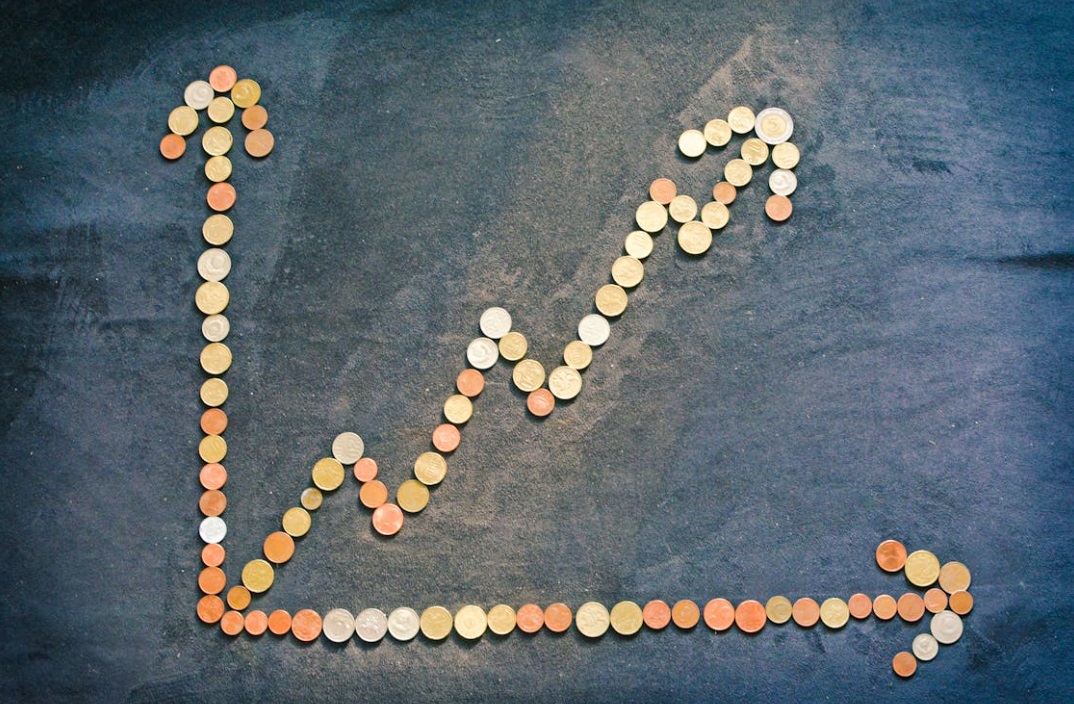
Honestly, money isn’t just about numbers or what’s in your bank account - it’s about how you see it, feel about it, and handle it day-to-day. You catch yourself sometimes thinking, “I’ll never get ahead,” or maybe “I don’t deserve more.”
”That kind of mindset sneaks in, even if you’re not fully aware of it, and sinks into your habits without you noticing. It’s like that cluttered drawer you keep meaning to clean, but somehow, it just stays that way. Our relationship with cash is a lot like that—messy, personal, and shaped by little moments that pile up over years.
Money as a Reflection of Our Inner World
For many of us, money feels like a mirror. Sometimes it shows confidence. Other times it just reveals the fears we’ve been politely ignoring.
I’ve watched friends with solid paychecks hoard every receipt like survival gear. One unexpected car repair turns into a week of pacing the kitchen. It’s never really about the dollar amount on the invoice. It’s about the ghost of a parent telling you that stability is a myth you have to defend.
Someone else feels a sharp pang of guilt just for buying decent coffee, convinced that treating themselves is a moral failing. These reactions aren’t random. They’re inherited. You can’t rewrite that script overnight. But you can at least stop pretending it was written by you.
Habits That Set the Tone
It’s strange how the smallest routines quietly dictate the rest. I used to watch old banking alerts on a dim screen, scrolling just to see the numbers shift. Paying a bill on the twelfth instead of the fifteenth felt trivial until you realized it was just anxiety wearing a disguise. Checking your balance before buying milk doesn’t make you responsible. It makes you hyper-vigilant. Those little motions stack up like bricks. You build a wall out of habits, and eventually you’re sitting behind it, wondering why the room feels so small. The real frustration isn’t that they’re hard to change. It’s that they’re invisible until you finally decide to turn the light on.
Turning Awareness into a Grooved Pattern
Growth usually starts when you stop flinching at your own reflection. You notice the tight chest when a coffee costs too much, and you realize it’s never been about the currency. It’s about patience. Or the lack of it.
Sometimes the fix looks painfully boring. Setting aside twenty dollars a week. Writing down exactly where it goes instead of pretending the missing cash just evaporated. You track the leak, patch it with tape, and wait. The rhythm builds slowly, like a muscle that finally stops cramping. But it isn’t neat. Some Tuesdays you’ll abandon the whole routine, buy the expensive thing, and tell yourself tomorrow will fix it. The clutter returns. The drawer stays full. You learn to sit with that mess without calling it a failure. The groove just holds your weight a little better than before.
I left a receipt on the counter again this morning. Coffee, a newspaper, maybe a pack of gum. It’s sitting under a set of keys that haven’t moved since Tuesday. I should probably file it, or at least fold it properly, but the kitchen light caught the grease stain and for a second it just looked like paper doing exactly what it’s supposed to do. Nothing has to be fixed right this second.